
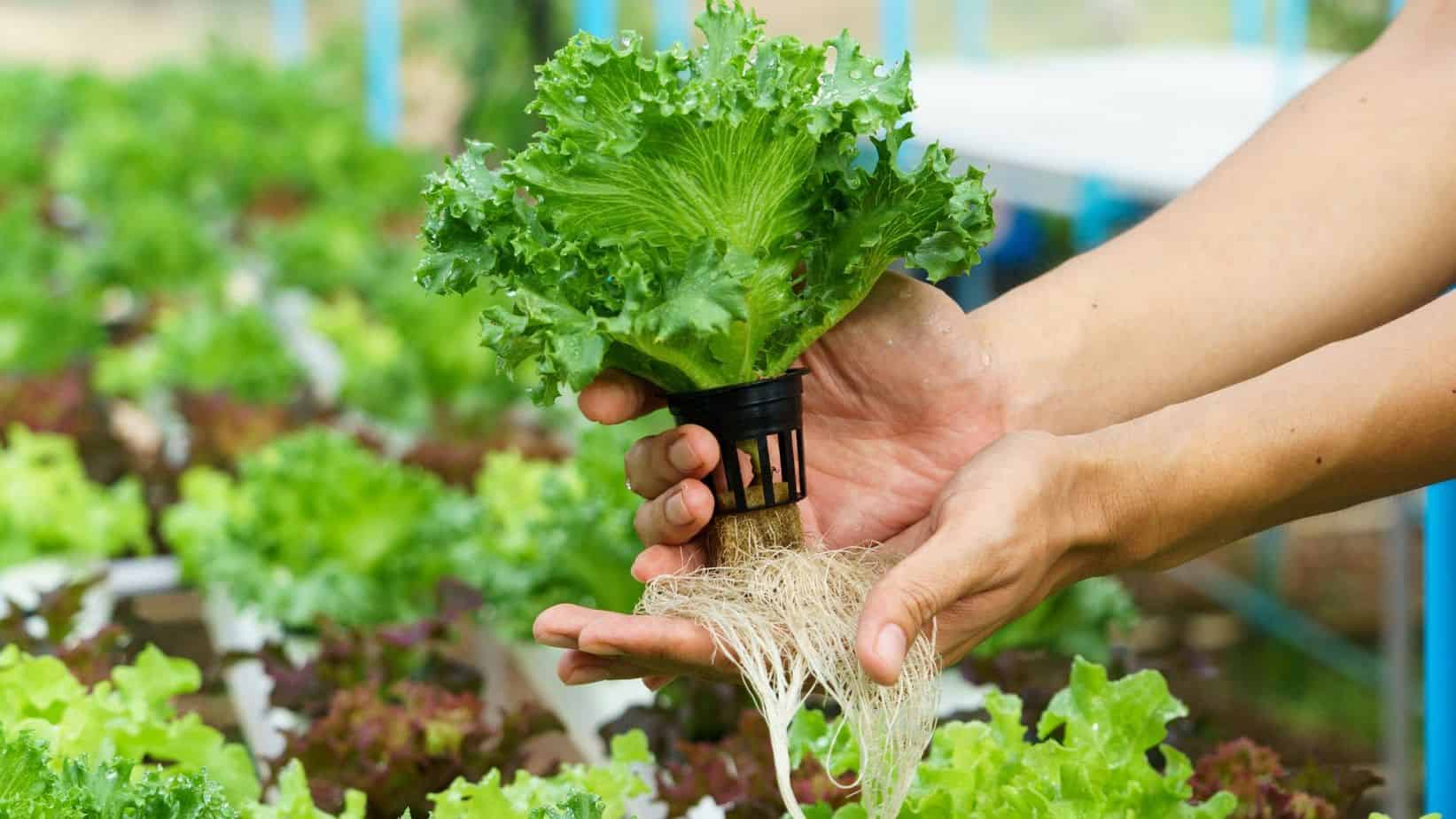
Ever wished you could grow more plants but felt limited by space? The good news is — you don’t need a bigger yard. You just need to think vertically.
A tower garden lets you grow herbs, flowers, fruits, and vegetables upward instead of outward. These compact vertical systems can fit into small patios, balconies, or even indoor corners, often using less than three square feet of space. Whether you prefer a simple soil setup or an advanced aeroponic design, building your own tower garden is completely doable — and surprisingly fun.
Think of it as building your plants a multi-level home.
Here are creative ways to get started.
Table of Contents
Toggle1. Stacked Simplicity: Pots & Pails
One of the easiest methods is stacking flower pots.
You can use:
-
Old clay pots (refresh them with bright paint)
-
Plastic nursery pots
-
Repurposed containers
Arrange them in a staggered or zigzag pattern to create a colorful tiered effect. This approach works beautifully for flowers and compact herbs.
Tin pails are another charming option. Found at thrift stores or scrap shops, they add a rustic look. Stack them securely, fill with soil, and you’ve created a budget-friendly vertical display.
2. Pyramid Planters: A Woodworking Weekend Project
If you enjoy DIY projects, building a pyramid planter is a rewarding option.
Using wooden boards, you can construct a sturdy, geometric structure with tiered planting levels. You can:
-
Follow online plans
-
Customize your own dimensions
-
Purchase a ready-made version and personalize it
Fill each level with soil and plants for a structured, eye-catching garden centerpiece.
3. Stacked Wooden Boxes
Wooden crates or planter boxes are incredibly versatile.
Stack them securely in a stepped formation to create:
-
A herb wall
-
A salad garden
-
A mixed flower display
You can build your own or purchase pre-made boxes. Arrange them creatively for both practicality and visual appeal.
4. Tiered Herb Towers
If you love fresh herbs, a dedicated herb tower is perfect.
Use pots in graduating sizes:
-
Large pot at the base
-
Medium in the middle
-
Small on top
Plant different herbs at each level and consider adding small chalkboard labels for a charming market-style touch.
Compact herbs that thrive in vertical setups include basil, thyme, parsley, mint, and oregano.
5. Flower Towers for Bold Color
A flower-focused tower adds instant vibrancy to patios and entryways.
Stack three to four pots of varying sizes and fill with cascading and upright blooms. Mixing trailing flowers with upright varieties creates dimension and fullness.
If you’re unsure what to plant, look for compact or trailing species that thrive in containers.
6. Pallet Gardens: Recycled & Resourceful
Reclaimed wooden pallets can be transformed into vertical garden walls.
Secure the pallet upright against:
-
A fence
-
A patio wall
-
A balcony railing
Add backing, fill sections with soil, and plant directly into the slots. It’s an eco-friendly way to maximize small spaces while giving new life to recycled materials.
7. Add Artistic Flair
Your tower garden doesn’t have to be purely functional — it can be decorative too.
Try:
-
Painting pots in bold patterns
-
Adding floral or butterfly designs
-
Using coordinated color themes
-
Decorating with fairy lights for evening ambiance
A little creativity turns your vertical garden into a personal outdoor art piece.
Why Build a Tower Garden?
Beyond saving space, vertical gardening offers:
-
Easier harvesting
-
Improved air circulation
-
Reduced soil pests
-
Better visual impact
-
Accessibility for small spaces
It’s ideal for urban gardeners, balcony growers, or anyone wanting to maximize limited square footage.
Final Thoughts
A tower garden isn’t just a clever gardening solution — it’s an opportunity to create something unique. Whether you stack pots, build a wooden pyramid, or repurpose pallets, growing upward lets you cultivate more without needing more land.
With a little imagination and a small footprint, you can transform any space into a thriving vertical oasis.
If you’d like, I can also provide a step-by-step beginner build guide with measurements and material lists.
Share this:
- Click to share on Facebook (Opens in new window) Facebook
- Click to share on LinkedIn (Opens in new window) LinkedIn
- Click to share on Reddit (Opens in new window) Reddit
- Click to share on X (Opens in new window) X
- Click to share on Tumblr (Opens in new window) Tumblr
- Click to share on Pinterest (Opens in new window) Pinterest
- Click to share on WhatsApp (Opens in new window) WhatsApp