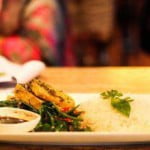

Palaw is more than just a meal in Turkmenistan—it’s a symbol of heritage, hospitality, and togetherness. This rich, satisfying rice dish has been enjoyed for generations, bringing families and communities together around a shared table and a shared tradition.
Deeply rooted in history, palaw reflects the rhythms of Turkmen life, from ancient nomadic customs to modern-day celebrations. Its enduring popularity lies not only in its flavor, but in the meaning it carries.
Table of Contents
ToggleWhere Palaw Comes From
The story of palaw stretches back to the nomadic tribes of Central Asia. Designed to be nourishing, simple, and easy to cook over open fires, it relied on ingredients that were readily available to traveling communities. Even as these tribes settled, palaw remained a culinary anchor—a reminder of resilience and shared identity.
As the dish spread across Central Asia, each region shaped its own interpretation. In Turkmen culture, palaw became closely tied to hospitality and respect. It isn’t an everyday meal; instead, it’s reserved for meaningful moments such as weddings, holidays, birthdays, and even funerals. Preparing palaw for guests is a gesture of honor and warmth.
Key Ingredients and Cooking Method
At its core, traditional Turkmen palaw is built on a handful of essential ingredients:
-
Long-grain rice
-
Lamb (most commonly used)
-
Onions and carrots
-
Fragrant spices such as cumin and coriander
Regional variations exist. Some cooks add dried fruits for sweetness, while others adjust spices or meats based on local tastes and availability.
The cooking process is deliberate and layered. Meat is first browned in oil to develop depth of flavor, followed by onions and carrots cooked until soft and aromatic. Thoroughly washed rice is then added with water or broth, allowing everything to simmer together. Spices are introduced toward the end, infusing the dish with warmth and character.
A Simple Turkmen Palaw Recipe
Cooking palaw at home is a wonderful way to experience Turkmen culture firsthand.
Ingredients
-
2 cups long-grain rice
-
1 lb lamb, cut into chunks
-
3 large onions, finely chopped
-
4 carrots, grated
-
4 cups water or broth
-
Salt to taste
-
1 tsp cumin seeds
-
½ tsp coriander seeds
Method
-
Rinse the rice under cold water until clear; set aside.
-
Heat oil in a large pot over medium heat and brown the lamb on all sides. Remove and set aside.
-
In the same pot, sauté onions until golden.
-
Add carrots and cook until tender.
-
Return the meat to the pot, add rice, water or broth, salt, cumin, and coriander.
-
Bring to a boil, then reduce heat, cover, and simmer for about 20 minutes until the rice is cooked.
-
Serve hot with fresh vegetables or pickles.
How Palaw Is Served and Enjoyed
Traditionally, palaw is served on large communal platters, especially during celebrations. Sharing from one dish represents unity and collective enjoyment. In many settings, people eat with their hands, following long-standing custom.
Fresh vegetables, salads, or pickles often accompany palaw, adding brightness and contrast. The balance of savory rice, tender meat, and lightly sweet carrots creates a deeply satisfying flavor profile.
Palaw is also associated with good fortune. It’s commonly eaten at the start of new journeys, jobs, or even the new year, symbolizing abundance and positive beginnings.
A Glimpse into Turkmen Cuisine
Turkmen food reflects the country’s landscape and nomadic roots, emphasizing hearty, nourishing dishes.
Meat-Based Specialties
Lamb is central to many meals, featured in dishes like shashlik (grilled skewers) and dograma, a comforting stew made with meat, vegetables, and torn flatbread.
Dairy Traditions
Fermented dairy products are widely consumed, including chal—a lightly sour, fizzy drink traditionally made from camel milk.
Bread and Pastries
Bread holds deep cultural significance. Corek, a round, decorative bread, is baked for special occasions, while pastries like sheker chorek and ichlekli are popular everyday treats.
Fruits and Vegetables
Despite an arid climate, Turkmenistan values fresh produce. Melons are especially beloved—so much so that they have their own national holiday.
Final Thoughts
From its humble origins to its place at the heart of major celebrations, palaw captures the essence of Turkmen culture. Every serving tells a story of history, hospitality, and shared tradition—making it not just a dish, but a meaningful experience passed down through generations.
Share this:
- Click to share on Facebook (Opens in new window) Facebook
- Click to share on LinkedIn (Opens in new window) LinkedIn
- Click to share on Reddit (Opens in new window) Reddit
- Click to share on X (Opens in new window) X
- Click to share on Tumblr (Opens in new window) Tumblr
- Click to share on Pinterest (Opens in new window) Pinterest
- Click to share on WhatsApp (Opens in new window) WhatsApp